International Hotel Reservations Done Right
Jun 26 2026

Booking a five-star room in Paris sounds simple until the airport transfer is late, the room type is not what you expected, and the hotel has no record of your special requests. International hotel reservations often look straightforward on a search screen, but the real travel experience depends on what happens after the confirmation email arrives.
For travelers who value comfort, time, and clear support, hotel booking is not just about finding a rate. It is about securing the right property, in the right location, with the right terms, and making sure the stay fits the rest of the journey. That matters even more when the trip includes family travel, business obligations, a milestone celebration, or faith-based travel where proximity, timing, and reliability are non-negotiable.
Why international hotel reservations require more care
Domestic bookings are usually familiar. You know the brands, the neighborhoods, the payment norms, and what kind of room to expect. International travel introduces more variables. Hotel categories can differ by country, room descriptions may not translate neatly, taxes and resort fees may appear differently, and cancellation policies can be stricter than many travelers assume.
Then there is the question of location. A hotel may be described as centrally located, but central to what? In a major city, a beautiful property can still be inconvenient if it adds long transfer times, limits walkability, or places you far from the meetings, landmarks, or religious sites that brought you there in the first place.
This is where a professionally managed approach changes the experience. Instead of choosing based on photos and broad star ratings alone, travelers can book with context. That means understanding the difference between a room that looks attractive online and a stay that actually supports the trip.
What matters most in international hotel reservations
The best reservation is not always the cheapest one, and it is not always the most expensive. It is the one that fits the traveler.
For leisure guests, that may mean prioritizing privacy, views, family-friendly room configurations, or access to dining and shopping. For business travelers, speed and efficiency often matter more – a well-run hotel near key venues, with dependable service and flexible check-in support, can be worth far more than a slightly lower nightly rate farther away.
For Umrah and Hajj travelers, the standard is even more specific. Hotel selection is tied to distance from the Haram, ease of movement, service quality during peak periods, and the confidence that the stay has been arranged with full awareness of the needs of pilgrimage travel. In that setting, a luxury stay is not just about aesthetics. It is about comfort, access, and peace of mind during an important spiritual journey.
Location is the first filter
A polished lobby and strong reviews do not fix a poor location. The right hotel should reduce friction, not create it. In London or Dubai, that may mean being close to business districts or premium retail and dining. In Makkah or Madinah, it often means minimizing walking distance and simplifying daily movement.
Location also affects the value of every other travel service. A well-placed hotel makes private transfers smoother, excursions easier to time, and the entire itinerary more comfortable. Travelers feel the difference immediately.
Room type matters more than many travelers realize
One of the most common frustrations in international travel is assuming that a room label means the same thing everywhere. It does not. A deluxe room in one market may be noticeably smaller than expected. Twin, double, king, interconnecting, or family room options can vary widely by property and country.
That is why reservation details deserve attention before booking, not after arrival. Families may need guaranteed bedding arrangements. Couples may want a quieter floor or a better view. Business travelers may prefer executive-level access or a room designed for productivity. Small details become major quality markers when the trip is long or the schedule is demanding.
Rate rules deserve a close look
A low price can come with trade-offs. Some rates are prepaid and nonrefundable. Others may exclude breakfast, taxes, or destination fees. In high-demand periods, especially around major events or pilgrimage seasons, cancellation terms may be much tighter.
That does not mean flexible rates are always the right answer. Sometimes a prepaid rate is the smart choice when plans are firm. The point is clarity. Travelers should know exactly what they are booking, what is included, and what changes might cost later.
The value of concierge-led booking support
Search engines are useful for browsing. They are less helpful when the trip has moving parts.
If a traveler needs airport transfers, a chauffeur, early arrival support, multi-city coordination, or tailored hotel options across several destinations, booking each item separately creates gaps. Those gaps are where stress usually starts. A hotel may be confirmed, but the late-night arrival is not aligned. A family suite may be reserved, but no one has verified bedding preferences. An important request may be noted online, but not meaningfully followed through.
A concierge-led service brings those details into one plan. Instead of managing reservations in isolation, the stay is matched to the itinerary. That creates better continuity from airport pickup to check-in to departure.
For premium travelers, this is often the real luxury – not excess, but simplicity. One point of contact. Clear communication. Fewer loose ends.
International hotel reservations for different types of travel
Not every traveler books with the same priorities, and that is exactly why a one-size-fits-all approach usually falls short.
Leisure and celebration travel
For anniversaries, family vacations, and special occasions, the hotel often shapes the mood of the entire trip. Guests may want standout properties, upgraded surroundings, and experiences that feel considered rather than improvised. In these cases, hotel choice should support the pace and purpose of the trip, whether that means a resort stay, a city luxury hotel, or a multi-stop itinerary with distinct experiences in each destination.
Business travel
Business travelers usually want efficiency, privacy, and reliability. They may need fast transfers, proximity to meetings, and a property that supports rest between obligations. A hotel that looks impressive but adds transit delays or inconsistent service can work against the purpose of the trip.
Faith-based travel
This category requires care, sensitivity, and practical experience. Premium pilgrimage travel is not simply standard luxury travel in a different destination. It has unique emotional and logistical demands. The hotel must support the journey with appropriate location, dependable standards, and coordinated service that respects the significance of the trip. That is one reason many travelers prefer working with specialists who understand both hospitality and pilgrimage planning.
How to choose the right booking partner
When travelers need international hotel reservations handled properly, the booking partner matters almost as much as the hotel itself. The right team should ask better questions than a typical booking site. Where exactly do you need to be? What type of stay feels comfortable? Are there mobility concerns, family needs, schedule constraints, or transfer requirements that affect the hotel choice?
A strong partner also understands trade-offs. Sometimes the best property is not the newest one. Sometimes paying more for location saves significant time and effort. Sometimes a slightly different room category creates a noticeably better experience. Professional guidance helps travelers make these decisions with confidence instead of guesswork.
This is where a service-focused company like Luxury Bookings USA stands apart. The goal is not just to reserve a room. It is to organize a better trip around it.
Why premium travelers book differently
Travelers who have experienced disorganized arrivals, disappointing rooms, or fragmented booking support tend to make a shift. They stop asking only, What is the nightly rate? They start asking, Will this stay work the way I need it to work?
That is the right question.
International travel can be remarkable, but only when the planning matches the standard of the trip itself. The hotel should feel aligned with the destination, the schedule, and the traveler. It should support comfort, not compromise it.
When international hotel reservations are handled with care, the experience feels smoother from the first inquiry to the final checkout. And that is what most travelers are really buying – not just a room, but the confidence to arrive well looked after.
If your next trip deserves that level of attention, start with the reservation that sets everything else in motion.
Uncategorized
Latest Articles
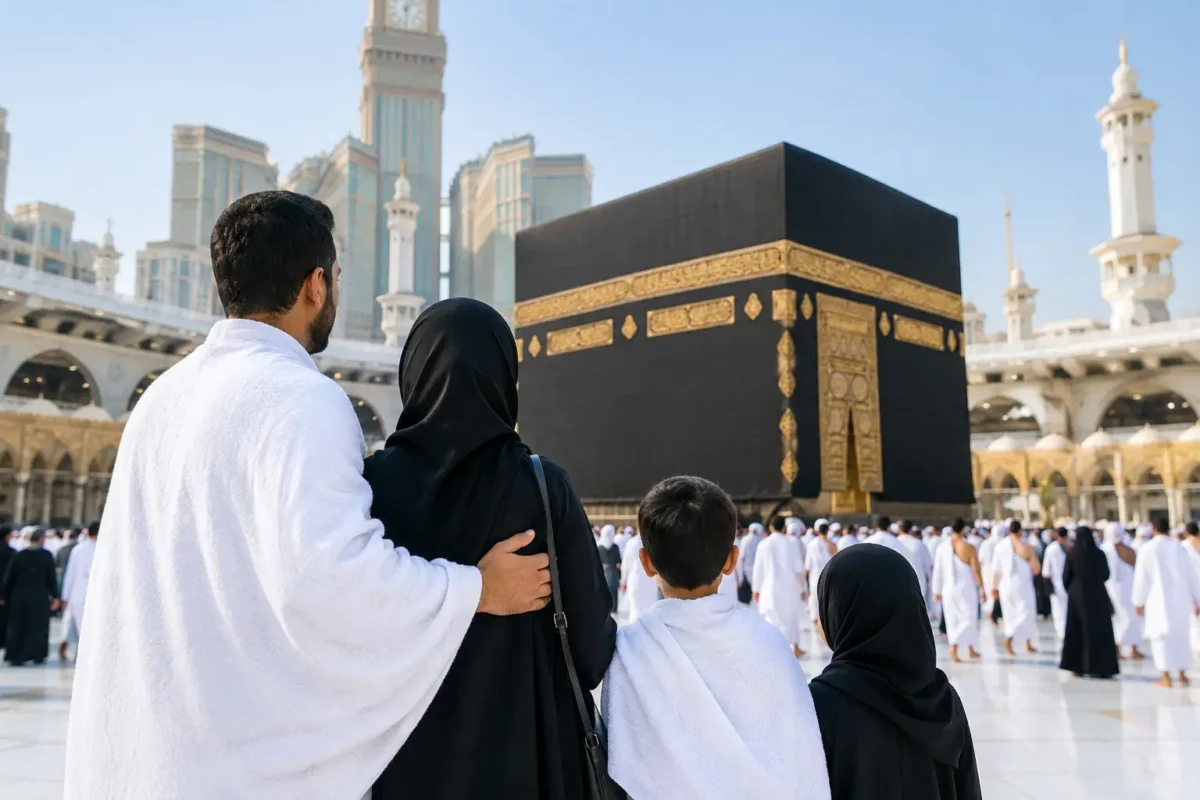
Family Umrah Packages From USA, Planned Well
Family Umrah packages from USA with premium hotels, visa guidance, private transfers, and thoughtful support for every generation of your journey.
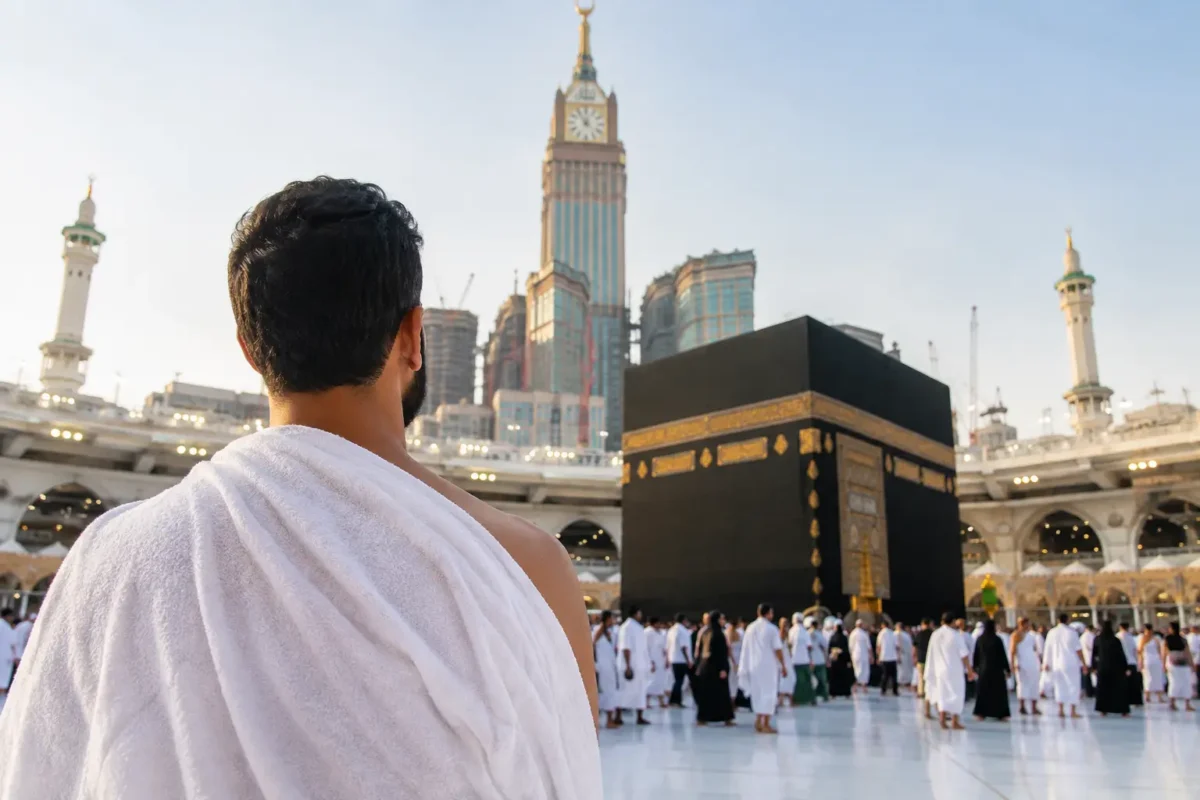
Hajj Packages Houston Texas With Confidence
Compare Hajj packages in Houston, Texas with clear guidance on visas, hotels, flights, transport, group support, and the details that shape peace of mind.
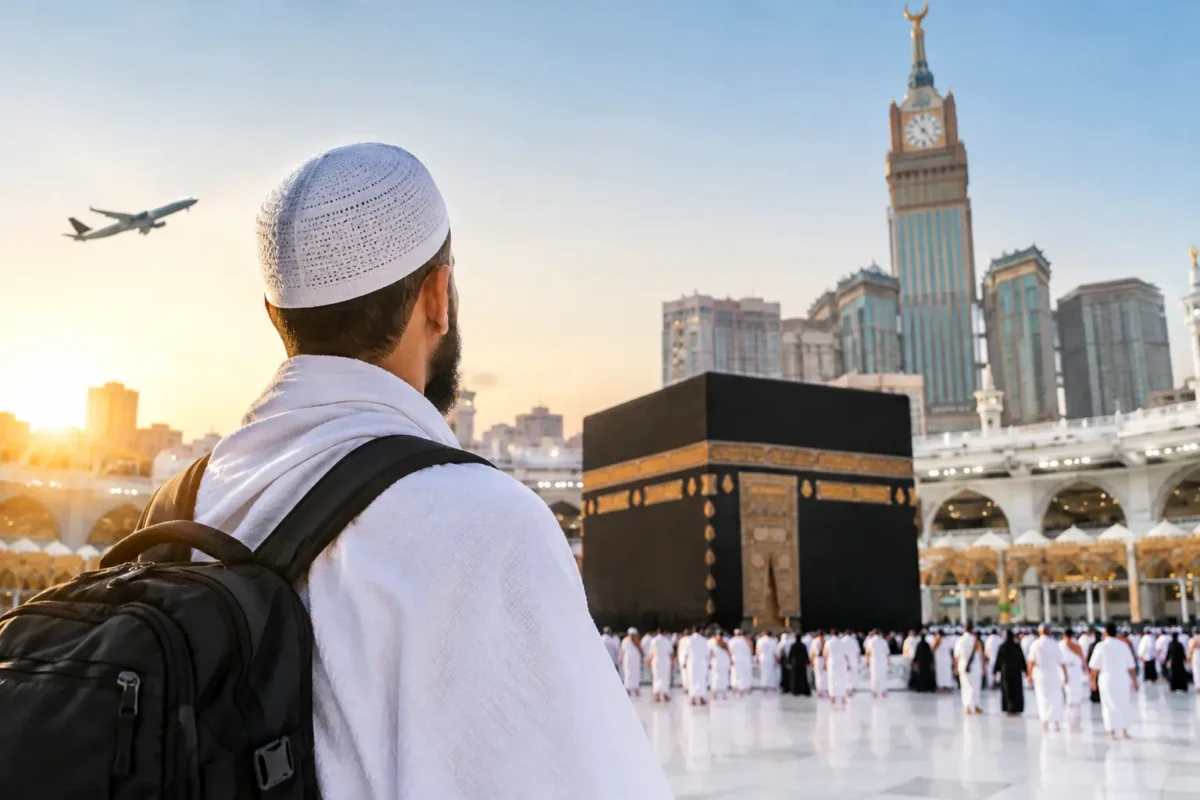
Affordable Umrah Packages From Houston Today
Compare affordable umrah packages from Houston with confidence. Plan flights, hotels near the Haram, visas, and transfers with personalized support today.